 (Image via
The retail world used to be a simple one-way street where goods moved from factories to stores to our closets and finally to the landfill, a depressing journey that felt increasingly wasteful. But recently, that street has turned into a bustling roundabout, thanks to the explosion of secondary markets that are giving pre-loved items a second, third, and sometimes fourth act. We are no longer just consumers of the new. We have become curators of the old, hunting for vintage denim or refurbished electronics with the same fervor once reserved for Black Friday doorbusters. This shift is not just about saving a few bucks on a designer bag. It is a fundamental rethinking of what value means in an economy that is finally waking up to the hangover of fast fashion and disposable tech.
This resale revolution is redefining the relationship between brands and buyers, turning every purchase into a potential investment rather than a sunk cost. People are realizing that quality goods hold their value, and the stigma of buying used has evaporated faster than a puddle in the Sahara. It is now a badge of honor to say you scored a high-end coat for a fraction of the retail price on a peer-to-peer app. As these secondary markets grow from niche thrift store bins to sophisticated digital platforms, they are forcing traditional retailers to adapt or risk becoming obsolete dinosaurs in a world that values circularity over constant consumption.
The Rise Of Digital Resale Platforms
The garage sale has gone digital, and it is vastly more efficient than waking up at dawn to haggle over a rusty toaster with your neighbors. Online marketplaces have democratized the resale game, creating massive virtual bazaars where anyone with a smartphone can become a shopkeeper. These platforms have removed the friction from buying used goods, offering slick interfaces, secure payment systems, and authentication services that make buying a pre-owned luxury watch as safe as buying a new pair of socks. They have unlocked billions of dollars worth of inventory that was previously sitting dormant in closets, transforming clutter into cash with a few taps on a screen.
What makes these platforms truly disruptive is their ability to aggregate supply and demand on a global scale. You are no longer limited to the inventory of your local consignment shop. You can hunt for a specific rare sneaker from a seller in Tokyo or a vintage lamp from a collector in Berlin. This global connectivity has created a liquid market for almost anything, stabilizing prices and ensuring that niche items find the people who actually want them. It is a triumph of efficiency that keeps goods in circulation longer, satisfying our desire for novelty without the environmental cost of manufacturing something new.
The Thrift Store Renaissance And Vintage Boom
Walking into a thrift store used to feel like a treasure hunt in a dusty attic, but today it feels more like entering a curated archive of fashion history. The perception of secondhand clothing has shifted dramatically, driven by a generation that values individuality over mass-produced uniformity. Wearing vintage is no longer just about being frugal. It is a style statement that says you have the eye to spot a gem among the rubble. This cultural shift has turned thrift shopping into a competitive sport, with professional pickers and style-conscious teens scouring racks for unique pieces that tell a story.
This boom has also spurred a new wave of curated vintage shops that do the digging for you, presenting high-quality finds in boutique settings that rival traditional retail. These sellers act as tastemakers, filtering the massive volume of used clothing into cohesive collections that appeal to specific aesthetics. They are proving that the secondary market can offer a premium shopping experience, complete with beautiful photography and storytelling. By elevating the presentation of used goods, they are attracting customers who might never have stepped foot in a Goodwill but are happy to pay a premium for a perfectly distressed leather jacket with a cool backstory.
Refurbished Tech And The Right To Repair
Electronics have notoriously short lifecycles, often doomed to obsolescence by a cracked screen or a slightly degrading battery. However, the market for refurbished tech is challenging the idea that gadgets are disposable. Specialized companies are now intercepting these devices before they hit the e-waste pile, subjecting them to rigorous testing, repairs, and cleaning processes that return them to a like-new state. Buying a refurbished phone or laptop is becoming a smart mainstream choice, offering the performance of modern tech without the eye-watering price tag of the latest release.
This sector is also heavily intertwined with the growing right-to-repair movement, which advocates for making it easier to fix our devices rather than replacing them. As consumers become more aware of the environmental toll of mining rare earth metals for new electronics, the appeal of extending the life of existing devices grows stronger. The secondary market for tech parts and repairable devices is expanding, empowering users to swap out a battery or replace a camera module instead of buying a whole new unit. It represents a shift towards a more modular, sustainable approach to technology where ownership implies the ability to maintain and upgrade.
Luxury Resale As An Investment Strategy
The world of high fashion has always been exclusive, but the secondary market has turned luxury goods into a verifiable asset class. Handbags, watches, and limited-edition sneakers are now traded with the same scrutiny as stocks or bonds, with values fluctuating based on scarcity and demand. For many savvy shoppers, buying a luxury item is no longer just an expenditure. It is a strategic parking of capital in an object that might appreciate over time. This financialization of fashion has attracted a new breed of consumer who views their closet as a portfolio.
Brands are taking notice, with some luxury houses launching their own resale programs to capture a slice of this lucrative secondary action. By controlling the resale channel, they can certify authenticity and maintain their brand equity while appealing to aspirational customers who might eventually graduate to buying new. It creates a circular ecosystem where the brand stays involved in the product's lifecycle long after the initial sale. This acceptance of the secondary market by the primary luxury players validates the staying power of resale and cements its status as a pillar of modern retail value.
Furniture Flipping And The Circular Home
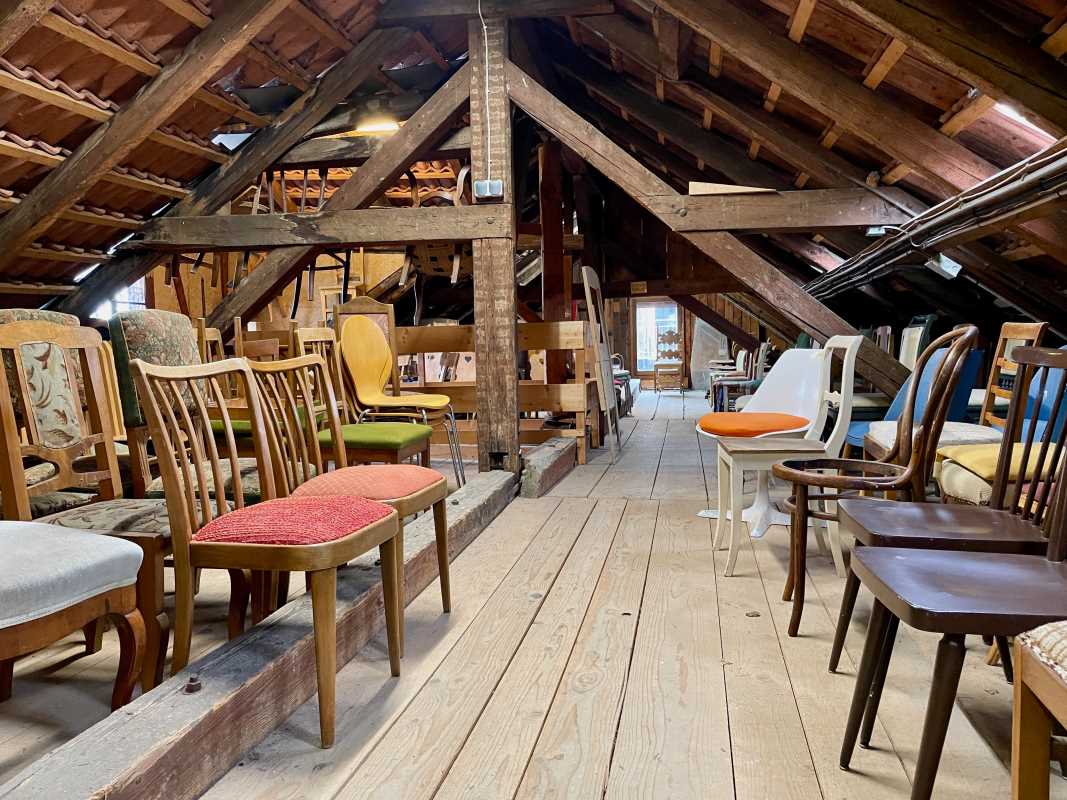
The era of fast furniture that falls apart after one move is being challenged by a resurgence in appreciation for solid, well-made pieces from the past. The secondary market for home goods is thriving as people look to furnish their spaces with items that have character and durability. Online marketplaces are filled with mid-century modern dressers and solid wood tables that just need a little love to shine again. This trend has birthed a community of furniture flippers who take tired, dated pieces and restore or reimagine them for modern homes.
This movement is driven not just by aesthetics but by a practical desire for quality that is often missing in contemporary budget furniture. A dresser made fifty years ago was likely constructed with better materials and joinery than the particleboard equivalent sold today. By choosing secondhand, consumers are often getting a superior product for a lower price, while keeping bulky items out of landfills. It turns home decoration into a creative process of restoration, where the value lies in the craftsmanship and the potential of the object rather than its pristine, factory-fresh condition.